Resort Guides

Jackson Hole Mountain Resort: The Expert’s Guide for 2026/27
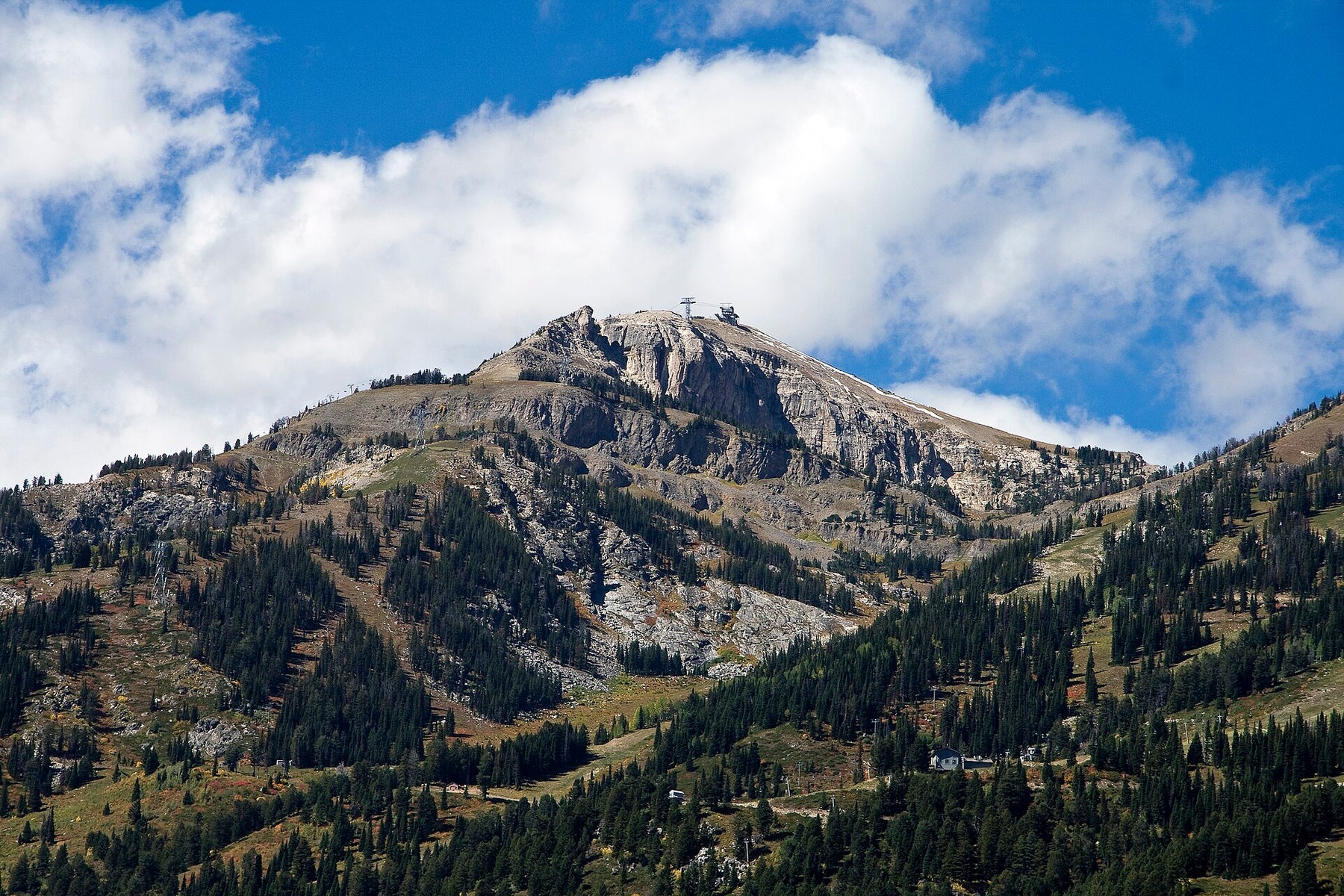
4.5/5 OVERALL SCORE Resort review · 2026/27 season Jackson Hole Mountain Resort Best for advanced skiers, storm days, and a genuine western town How it scores Snow Quality4.7/5 Terrain Variety4.8/5 Lift Network4.1/5 Crowds & Lines3.8/5 Beginner Friendliness3.3/5 Value for Money3.8/5 The quick spec sheet 2,500 acres 10,450 ft summit 4,139 ft vertical 458 in average snowfall The honest version What we love Huge choice of named terrain Strong lift and base-area infrastructure A clear identity beyond the marketing What to know Peak dates change the lift-line experience Lodging and food are premium-priced Weather can close high terrain Our short answer: Jackson Hole Mountain Resort is worth the trip when you choose the right base, buy access early, and plan your day around its actual terrain rather than the resort map alone.Jackson Hole Mountain Resort from above the main ski area.At a glance Best for Best for advanced skiers, storm days, and a genuine western town Key pass Ikon Pass / Mountain Collective Nearest practical airport Jackson Hole Airport is about 20 minutes from Teton Village. The START bus links Jackson town and the mountain, making a rental car optional. Trip length Three days is enough for an introduction; four to five days lets you follow weather and explore different zones. 1. What makes this mountain differentJackson Hole Mountain Resort has a recognizable rhythm: the busiest lifts and easiest routes fill first, while the best day usually comes from moving with the weather and choosing a zone that matches your group. The difference between a frustrating trip and a great one is often a 20-minute earlier start, a sensible meeting point, and knowing when not to chase the headline run.2. The mountain, zone by zoneRendezvous Bowl, Thunder, Sublette, Apres Vous are not interchangeable. Start with the zone that matches your ability, then expand outward once you know the return route. The named runs that matter most are Corbet’s Couloir, Rendezvous Bowl, Hobacks, Alta Chutes.The scale of the mountain becomes clearer once you can see the ridgeline and base areas together.3. Terrain breakdownStrong intermediates should look for Rendezvous Bowl, Hobacks, Alta Chutes, Expert Chutes. Experts will want to check the access rules, visibility, and snow stability before entering Expert Chutes, Moran Face, Lower Teewinot, Amphitheater. Beginners should stay near the dedicated learning lifts until stopping and linking turns feel automatic; the fastest route is not always the easiest route back.4. Lift strategy and first chairThe key lifts are Aerial Tram, Bridger Gondola, Sweetwater Gondola, Thunder, Sublette, Casper. On a busy morning, avoid making your whole plan depend on one signature lift. Ride a nearby feeder, take an early lap on a long groomer, and return when the initial queue has settled. Download the resort app before leaving the hotel because wind holds and terrain openings can change the plan quickly.Base-area access sets the pace for the entire ski day.5. Passes, tickets, and the real costIkon Pass / Mountain Collective is usually the first pricing question, but the answer depends on how many days you will ski. Buy date-specific tickets early, compare multi-day products, and price lodging before assuming a pass is automatically cheaper. Add parking, rentals, lessons, meals, and transportation; the headline ticket is only part of the trip.6. Getting there without losing a dayJackson Hole Airport is about 20 minutes from Teton Village. The START bus links Jackson town and the mountain, making a rental car optional. Winter driving deserves a buffer. Keep chains or approved traction equipment in the car when required, fill the tank before the final mountain stretch, and do not schedule a tight flight immediately after the last ski day. A free local bus can be more useful than a rental car once you arrive.Weather and road conditions can matter as much as the flight itinerary.7. Where to stayTeton Village is the first-chair choice. Jackson town has better dining and more lodging range, with the bus making the commute workable.8. Food and ski-school logisticsCorbet’s Cabin waffles are a mountain ritual. In Teton Village, Mangy Moose and Handle Bar are reliable; in Jackson, Snake River Brewing and the Million Dollar Cowboy Bar keep the western character intact. For lessons, reserve before arrival and confirm the exact meeting area. Families should choose lodging based on the morning walk to ski school, not just the room rate.The base village determines how easy it is to start and finish the day.9. Altitude, weather, and snow timingDrink more water than usual, keep the first afternoon moderate, and carry a layer that blocks wind. High alpine weather can move from clear to flat light quickly. On a storm day, trees and lower zones may ski better than a closed summit; on a bluebird day, start high and follow the sun down.10. Après-ski and the townA good ski town is part of the value. Pick one slope-side stop and one town stop, then walk or use the local bus rather than driving after a long day. The useful question is not where the loudest party is, but whether the town gives your group an easy place to eat, warm up, and reset for tomorrow.11. Crowds and line managementHoliday weeks, powder mornings, and the first hour after a major lift opens are the pressure points. Midweek is calmer. Start away from the obvious base lift, use a buddy meeting point, and avoid crossing the entire mountain just to chase one run. The best crowd strategy is choosing a zone and staying there for several laps.12. Best time to visitJanuary through early March gives the strongest chance of winter snow, while March and early April can bring longer daylight and softer afternoon conditions. Late-season visits can be excellent when the mountain holds snow, but check operating dates and upper-mountain exposure before booking.Late afternoon light shows why a full day on the mountain is worth planning around.13. Pre-trip checklist Buy pass or date-specific tickets before the trip. Reserve lodging, lessons, rentals, and dinner on peak weeks. Check lift status, road conditions, and weather every morning. Pack a shell, spare gloves, goggles for flat light, sunscreen, and water. Set a meeting point that does not depend on a phone signal. 14. Who should choose it over another resort?Jackson Hole Mountain Resort is a strong choice if best for advanced skiers, storm days, and a genuine western town. Choose a different mountain if your group needs a compact beginner-only layout, a low-cost weekend, or a destination where every zone is linked by a single base village. The fit matters more than the ranking.15. Frequently asked questionsHow many days do you need?Three full days covers the signature zones; four or five gives weather flexibility.Is it good for beginners?Yes, if beginners use the dedicated learning areas and do not follow expert groups onto headline terrain.Should you rent a car?It depends on the airport and lodging. A local bus is often easier once you are in town.Is a pass worth it?Compare the exact number of ski days, blackout rules, reservations, and early-booking ticket prices.What is the biggest mistake?Trying to ski every zone in one day. Pick a base, follow the snow, and leave time to get back comfortably.16. Gear that earns its placeWarmth and weather protection matter more than a fashionable packing list. A waterproof shell, insulated mid-layer, gloves that can handle wind, and properly fitted goggles make long days easier. Explore our NowInSnow fleece-lined jacket, DØCSNO ski pants, and Monterest hardshell before you travel.Our takeJackson Hole Mountain Resort rewards preparation but does not require a perfect ski day. Choose the right zone, leave room for weather, and treat the town and mountain as one trip. That is the version worth coming back for.Information and prices can change by date and operating conditions. Check the resort and pass operator before booking.
Learn more