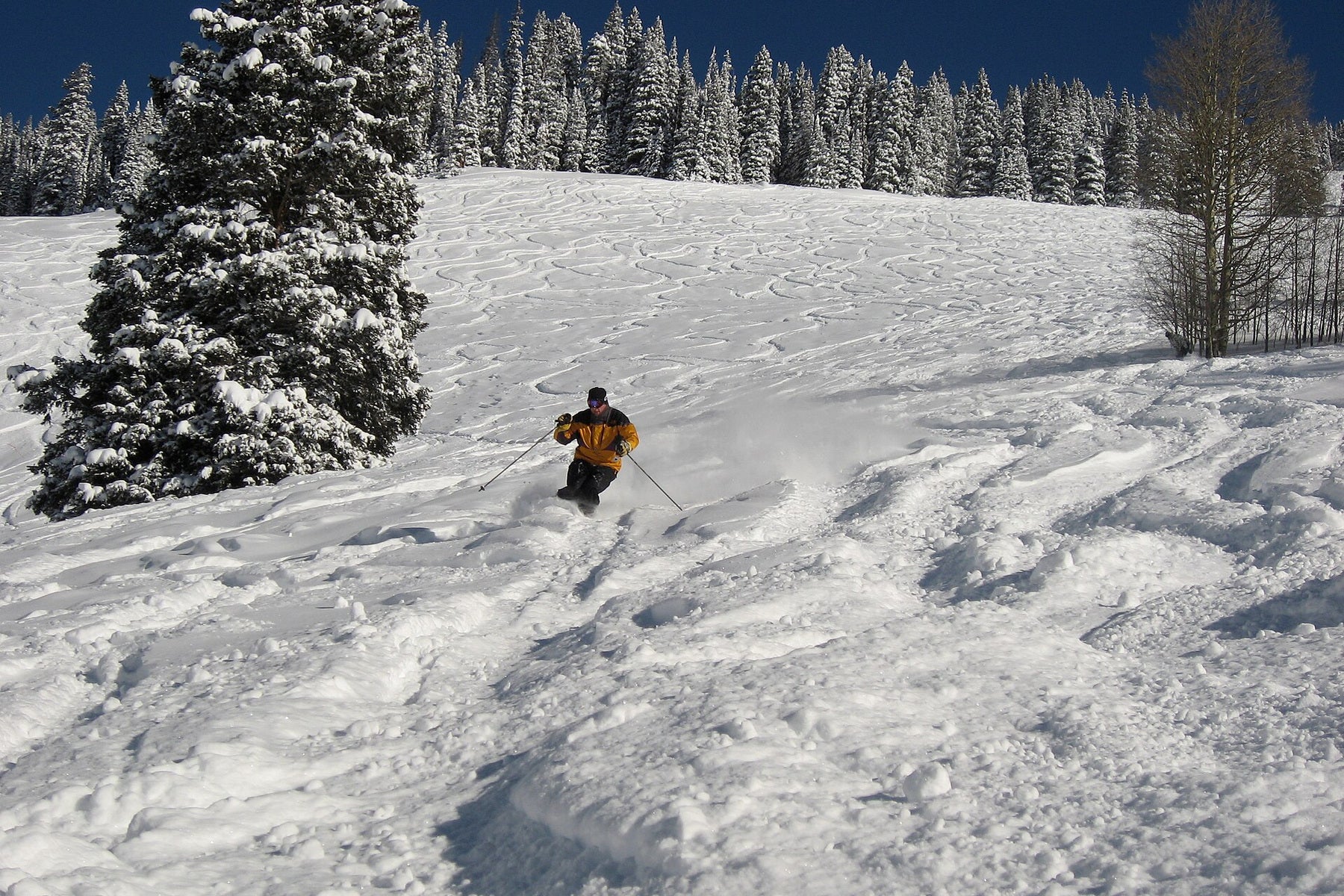

If you only ski Colorado once, Vail is the resort that justifies the trip. The numbers are big—5,317 acres, 31 lifts, a summit above 11,500 feet—but what sticks with you is the contrast between the groomed civility of the Front Side and the wild openness of the Back Bowls. Catch it on a mid-week powder day and you will understand why people put up with the crowds, the parking, and the price.
📌 At a glance
| Summit | 11,570 ft | Base | 8,120 ft |
| Vertical | 3,450 ft | Trails | 193 (18% green, 29% blue, 53% black/double) |
| Lifts | 31 incl. Gondola One, Eagle Bahn Gondola | Snow | ~354 in/year |

1. What’s New at Vail for 2026/27
Vail Mountain opens for the season on November 13, 2026. Vail Resorts has been making noise about a potentially strong El Niño winter, and the company has invested more than $100 million in snowmaking across its portfolio since 2015. That matters at Vail more than at most resorts: the lower base elevation of 8,120 feet means early-season coverage relies heavily on snowmaking, and the Back Bowls typically do not open until there is a solid natural base.
New for this season, the company is leaning into its Epic Ascent private-lesson concierge program, which pairs guests with a dedicated instructor and handles logistics like lift-line priority and on-mountain dining reservations. The My Epic app is also now the default way to load tickets and passes, track vertical, and check lift status in real time.
On the events side, Vail Snow Days returns in December with free concerts, a Pray for Snow bonfire, and pub crawls. Spring skiing usually stretches into April, with closing day typically in late April depending on conditions.
2. Three Sides of Vail: Front Side, Back Bowls, and Blue Sky Basin
Vail is essentially three mountains stitched together: the Front Side, the Back Bowls, and Blue Sky Basin. Each has a different personality, and a good trip usually rotates through all three.
Front Side is where most visitors start. It faces northeast, holds the best grooming, and is served by Gondola One from Vail Village and the Eagle Bahn Gondola from Lionshead. Runs like Swingsville, Ramshorn, Avanti, and Northwoods are confidence-building cruisers, while Highline and Prima Cornice serve up genuine steeps. The Front Side also has the densest dining and the shortest return routes to either base village.
The Back Bowls—Sun Down, Sun Up, Tea Cup, China, Siberia, Inner Mongolia, Outer Mongolia—are the reason Vail is famous. They total roughly 2,785 acres of mostly above-treeline, south-facing terrain. On a powder morning, China Bowl is a two-mile-wide playground. On a hardpack afternoon, the same bowls can be wind-scoured and humbling.
Blue Sky Basin sits at the far western edge, opened in 2000 after years of environmental debate. It adds 645 acres of glades, cliffs, and rolling cruisers. It takes effort to reach—usually a traverse from Tea Cup Bowl—but the payoff is quieter terrain and snow that can hold fresh lines hours after the front side is tracked out.

3. Where Vail Actually Sorts by Ability
Beginners: Do not let Vail's expert reputation intimidate you. The resort has dedicated learning areas at Golden Peak and Lionshead, and green runs are well separated from fast traffic. Magic Forest and Chaos Canyon are adventure trails designed for kids. Once comfortable, beginners can ride Gondola One to Mid-Vail and ski long, gentle cruisers back toward the village.
Intermediates: This is where Vail truly shines. Groomed blues spill off nearly every Front Side lift. A classic morning starts at Gondola One, moves to Northwoods Express (#11), laps Avanti Express (#2), and finishes with a long Born Free run into Lionshead. In the Back Bowls, Poppyfields East and West in China Bowl are frequently groomed and offer a genuine bowl experience without the terror.
Advanced/Expert: You could spend a week here and not run out of challenges. In the Back Bowls, Genghis Khan, Dragon's Teeth, Rasputin's Revenge, and Lover's Leap offer cliffs, cornices, and steep chutes. Blue Sky Basin has tree skiing that locals hit after the front bowls get tracked. The Front Side adds moguls on Highline and Roger's Run, plus Prima Cornice for a short, steep test piece.
| Zone | Best for | Key lifts | When to go |
|---|---|---|---|
| Front Side | Groomers, mixed groups, beginners | Gondola One, Avanti #2, Northwoods #11 | First chair to beat crowds |
| Back Bowls | Powder, advanced skiing, open terrain | High Noon #5, Sun Up #9, Orient #21 | Storm mornings, spring afternoons |
| Blue Sky Basin | Tree skiing, glades, escape crowds | Tea Cup #36, Skyline #37, Pete's #39 | Mid-morning after snow softens |
4. Epic Pass vs. Walk-Up: When It Pays, When It Doesn’t
The math is simple but brutal: a single window ticket at Vail can hit $299 on peak days, while an adult Epic Pass is $1,119 before September 7. If you plan to ski Vail four or more days in a season, the full Epic Pass pays for itself. The Epic Local Pass at $829 limits Vail to 10 restricted days with blackout dates around Christmas, New Year's, and Presidents' Week, but it is the sweet spot for Front Range locals who can ski mid-week.
For shorter trips, the Epic Day Pass ranges from roughly $47 to $99 per day depending on how many days you buy and how far in advance. Buying even 24 hours ahead typically saves $30–$60 over the window. Epic Pass holders also get 20% off lodging, lessons, rentals, and dining through Epic Mountain Rewards, plus five Epic Friend Tickets that offer 50% off for companions.
Military passes start at $220 for active and retired members. Adaptive passes and child pricing are also available. The key deadline is September 7, when Epic Pass prices increase across the board.

5. I-70, the Tunnel, and the Eagle County Airport Play
Vail sits about 100 miles west of Denver on I-70. Under ideal conditions the drive takes 90 minutes; on a snowy Saturday morning it can take three hours. The Eisenhower Tunnel and Vail Pass are the two choke points, and westbound traffic on Friday evenings and Saturday mornings is consistently bad. The practical advice from Denver regulars: leave before 6:30 a.m., or drive up Thursday night.
If you would rather not drive, Colorado Mountain Express runs shuttles from Denver International Airport, and CDOT's Bustang Snowstang offers seasonal bus service from the metro area that drops you in Vail Village.
Once in Vail, you have two main parking options. The Vail Village Parking Structure is a 7-minute walk from Gondola One. The Lionshead Parking Structure is closer to the Eagle Bahn Gondola and often easier to navigate. Day rates run up to $30 on non-peak days and $50 on peak days. Epic Pass holders receive discounted parking. Both structures fill by 9 a.m. on busy weekends; after that you are looking at overflow lots and shuttle rides.

6. Where to Stay: Lionshead vs. Vail Village vs. East Vail
Vail is not one village; it is a string of base areas, and location matters more than the hotel itself.
Vail Village is the original, most walkable, and most atmospheric. The Sonnenalp is the family-run Bavarian classic guests return to for decades. The Four Seasons Vail and The Sebastian deliver luxury closer to the action. The trade-off is that Gondola One is a short walk, and peak-season rates are steep.
Lionshead is the practical choice for skiers. The Arrabelle at Vail Square sits steps from the Eagle Bahn Gondola with true ski-in/ski-out access. The Hythe, a Luxury Collection property, is also right at Lionshead with modern rooms and multiple restaurants. The plaza has less charm than Vail Village, but you will be on the snow faster.
Cascade Village, further west, is quieter and often cheaper. The Grand Hyatt sits creekside with its own chairlift, making it the shortest bed-to-lift commute in Vail. For budget travelers, properties along the frontage road in West Vail or East Vail require driving or busing to the base.
7. On-Mountain and Village: The Eats That Are Actually Worth It
Vail's on-mountain dining is a step above the typical ski-resort cafeteria. Two Elk Lodge at the top of China Bowl is iconic but busy; the views and elk chili make it worth timing outside peak hours. Wildwood Smokehouse near Mid-Vail has the best BBQ on the mountain. Belle's Camp in Blue Sky Basin is rustic, remote, and exactly where you want to be on a sunny day.
In the villages, the range is enormous. Sweet Basil, Larkspur, Matsuhisa Vail, and Elway's cover the upscale end. For après, Bully Ranch at the Sonnenalp is a long-standing favorite, Garfinkel's in Lionshead is casual and rowdy, and The Remedy Bar at the Four Seasons is where you go when you want a quiet cocktail.
For a quick breakfast or sandwich, Joe's Deli and Loaded Joe's are local standbys. Expect to pay resort prices everywhere.

8. Ski School, Private Guides, and the Kids’ Programs at Golden Peak
Vail operates one of the largest ski schools in North America. A full-day adult first-timer group lesson runs roughly $240, with Epic Pass holders getting 20% off. Kids' full-day group lessons start around $229. Smaller group lessons with four or fewer students start closer to $395.
Private lessons are expensive but can be shared among up to six people. A half-day private runs about $1,080, and a full day is around $1,475. The new Epic Ascent program adds concierge-style perks for private guests.
For families, the practical move is to book near the base where your kids have lessons. Lionshead is convenient for children's ski school, while Golden Peak is another family-friendly base with beginner terrain and lesson meeting areas. Helmets are required for anyone under 18 in lessons and strongly recommended for everyone else.
9. Vail’s Altitude, Wind, and Mid-Season Whiplash
The summit is 11,570 feet, and the base village sits at roughly 8,150 feet. Altitude sickness is real, especially if you fly in from sea level and head straight to the mountain. The first day should be easy: drink more water than you think you need, avoid heavy drinking the night before, and consider spending your first night in Denver or Avon to acclimatize.
Weather changes fast. The Back Bowls are exposed and can be brutal in a storm, with wind, flat light, and temperatures that drop quickly. On those days, the Front Side's tree-lined runs are the better call. Spring skiing in April can be spectacular: warm, sunny, and soft, but the base can get slushy by afternoon.

10. Après, Garfinkel’s, and the Late-Night Scene
Vail's après scene splits between base-area patios and hotel lounges. On a sunny afternoon, the decks at Mid-Vail and Lionshead fill with people in ski boots drinking beer and recounting the morning. Later, the village moves indoors to wine bars, cocktail lounges, and a handful of clubs.
For live music and late nights, 8150 and The Sky Bar have been local fixtures. If you prefer something quieter, the libraries and lounges at the Sonnenalp and Four Seasons are more civilized. The in-town ice rink in Lionshead, skate rentals, and Adventure Ridge at Eagle's Nest give families options beyond bars.
11. Lift Lines at Vail: When They’re Real and When They’re a Myth
Vail is big enough to absorb a lot of people, but it can still feel crowded. The worst pinch points are the base of Gondola One and the Eagle Bahn Gondola between 8:45 and 10:00 a.m., plus Mid-Vail and Two Elk Lodge at lunch. Presidents' Week, Christmas week, and spring break are genuinely busy.
The strategy is simple and repeated by regulars every season: ski the Back Bowls in the morning while everyone is on the Front Side, then move to the Front Side after lunch when the bowls get tracked out. Arrive at the parking structure by 8 a.m., or skip it entirely by staying in a slopeside property. If you have flexibility, January and March mid-week are the quietest windows with the best snow.
12. Best Time to Ski Vail (and When to Skip It)
January: Cold, dry, often the most reliable powder month. Crowds are lighter after the holidays.
February: Great snow but busy around Presidents' Week. Book lodging and lessons months ahead.
March: Big storms still happen, and longer days mean more time in the Back Bowls. A local favorite.
April: Spring skiing at its best. Warm afternoons, soft corn, and closing-weekend parties. Terrain can be limited by snowpack.
Early season: November and early December are cheaper, but only the Front Side and a limited number of runs are reliably open. The Back Bowls usually need more base.
13. Pre-Trip Checklist for Vail
- Buy Epic Pass before September 7 for the lowest price
- Book lodging in Vail Village or Lionshead for walkable base access
- Reserve ski school and rentals at least a week ahead
- Download the My Epic app and load tickets/passes before arrival
- Plan I-70 timing; leave Denver by 6:30 a.m. on weekends
- Arrive at parking by 8 a.m., or reserve slopeside parking if available
- Pack layers; summit weather can be 20°F colder than the village
- Bring sunscreen and goggles with low-light lenses for storm days
14. Vail vs. Beaver Creek vs. Park City
| Resort | Strength | Trade-off | Choose if |
|---|---|---|---|
| Vail | Sheer size, Back Bowls, villages | Price, crowds, I-70 traffic | You want the full Colorado megaresort experience |
| Breckenridge | High altitude, above-treeline bowls | Base area can feel crowded | You want high-altitude snow and a livelier town |
| Aspen Snowmass | Four mountains, culture, dining | Smaller daily acreage, farther from Denver | You want variety and a classic ski town |
| Beaver Creek | Grooming, family service, less chaotic | Less extreme terrain | You want Vail-level service without the scale |
15. Vail FAQ
Do I need a car in Vail? Not if you stay in Vail Village or Lionshead. The in-town bus is free and runs late. A car is useful only if you are staying in East/West Vail or plan to visit other resorts.
Is Vail good for beginners? Yes, despite the reputation. Dedicated learning zones, gentle greens, and an excellent ski school make it beginner-friendly. Just stick to the Front Side and avoid peak holiday weeks.
When do the Back Bowls open? It depends on snowpack. They usually open in December once there is enough natural base. Check the daily lift and terrain report.
Can you ski Vail in a day? You can sample it, but you will not see it. A proper visit needs at least three days: one for the Front Side, one for the Back Bowls, and one for Blue Sky Basin.
Why is Vail so expensive? It is the most famous ski resort in the U.S., with premium villages, extensive terrain, and a luxury positioning. The Epic Pass is the single best way to control costs.
16. Gear & What to Wear at Vail
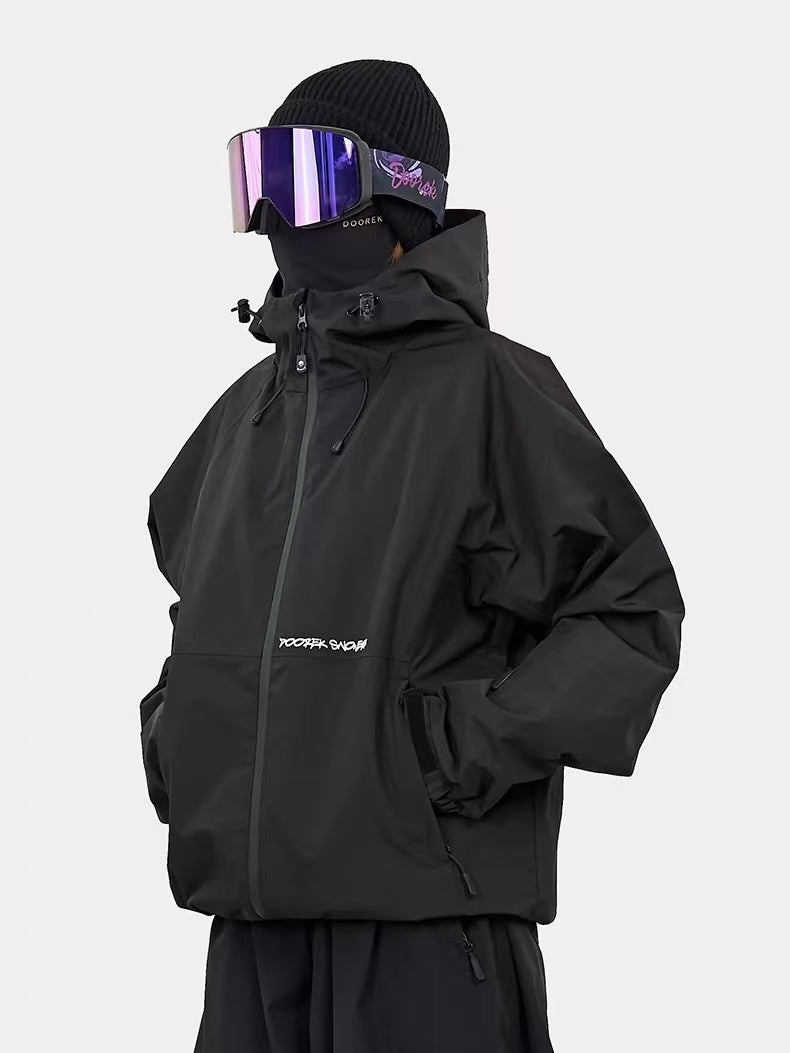
Vail's weather can swing from sunny and mild at the base to windy and frigid at the summit. A good shell, breathable layers, and quality goggles are non-negotiable. If you are skiing the Back Bowls, you will appreciate waterproof gear: the exposed terrain can kick up snow and wind even on a bluebird day.
For a resort like Vail, we like a 20K waterproof shell paired with fleece-lined mid-layers for warmth without bulk. If you are planning to ski bell-to-bell, durable ski pants with reinforced cuffs pay for themselves.
NowInSnow 10K Fleece-Lined Jacket
A warm, windproof everyday shell that handles Vail's variable summit weather.
View jacket →DØCSNO 20K ePTFE Ski Pants
High waterproofing and knee articulation for long days across three mountain zones.
View pants →Monterest 20K Kongshan Hardshell
A lightweight storm shell for powder days when the Back Bowls are firing.
View hardshell →Our Take on Vail
Vail is not the cheapest, the quietest, or the most charming ski town in Colorado. What it is, without much argument, is the most complete single-mountain ski resort in the state. The combination of Front Side groomers, Back Bowls, Blue Sky Basin, two walkable villages, and a level of service that most resorts cannot match makes it a benchmark experience. The key is timing: ski mid-week in January or March, show up early, and let the mountain reveal itself over three or four days rather than one frantic lap.
Disclaimer: Prices, opening dates, lift operations, and terrain status are subject to change. Always verify current conditions and rates on the official Vail and Epic Pass websites before booking.